Nepal’s flash floods underscore the need for investing in child-centered, climate-resilient infrastructure
Advocacy : Clean, safe and sustainable environment
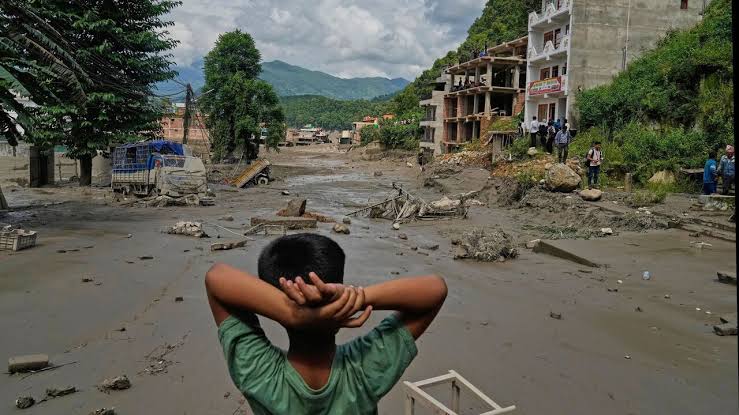
ARNEC stands in solidarity with the children, families, communities and colleagues in Nepal affected by the devastating flash floods along the Nepal–Tibet border. The images emerging from the affected areas are deeply distressing as more than 780 people have died and more than 2,000 are missing. Families have been forced to flee their homes; communities have lost essential infrastructure; and children are among those experiencing the immediate and profound impacts of the disaster. UNICEF reports that thousands of children have been affected, with schools destroyed and many more damaged.
Even as Nepalese authorities undertake rescue operation, threat of more flooding looms as another lake of rising water has formed upstream in China.
Nepal is highly vulnerable to glacial disasters as it sits in the Himalayan region. The Himalayas, which hold the earth’s third-highest repository of ice, is rapidly warming at twice the global average.* Rising temperatures, caused partly by climate change, are creating unstable glacial lakes that can burst and cause catastrophic flash floods as seen in Nepal.
The immediate priority must be saving lives and reaching those who have been affected. But the situation in Nepal also demands reflection and a commitment to not let lives be swept away by similar climate change-induced disasters. As Nepal moves from emergency response towards recovery and rebuilding, building back better must mean building back with children in mind. This includes investing in climate-resilient ECD centres, schools, health and nutrition services, safe water and sanitation, accessible early warning systems, disaster preparedness and safe spaces where children and caregivers can continue to receive essential support during crises.
Young children in particular face unique risks during disasters. Interruptions to nurturing care, nutrition, health services and early learning opportunities during the first years of life can have lasting impacts on their cognitive, physical, and socio-emotional development. Recovery and rehabilitation efforts should therefore ensure that the needs of infants, young children and their caregivers are addressed alongside broader humanitarian responses.
Our thoughts are with all those affected in Nepal, and with the frontline workers, educators, caregivers and communities working tirelessly to support children and families during this difficult time. ARNEC remains committed to advancing climate-responsive and resilient early childhood development systems across the region, so that every young child can grow, learn and thrive, even in the face of a changing climate.
*Source: https://www.weforum.org/stories/climate-action/glaciers-water-source-climate-agreements/
Photo: The Economist/AP Photo/Niranjan Shrestha